Introduction
When it comes to medical packaging, the stakes are incredibly high. The safety of patients, the integrity of medical devices, and the efficacy of pharmaceuticals all hinge on effective packaging solutions. This article dives deep into Designing Medical Packaging: Balancing Functionality and Compliance, exploring various aspects such as regulatory requirements, innovative materials, and sustainable practices. With the rise of custom packaging solutions tailored to specific needs, a profound understanding of this field becomes essential for manufacturers, suppliers, and consumers alike.
What is Medical Packaging?
Medical packaging encompasses the various types of packaging used to protect medical devices, pharmaceuticals, and other healthcare products. It must meet strict regulatory standards set by governing bodies like the FDA in the United States. A well-designed package not only safeguards the product stand up pouches pricing but also provides essential information to users and healthcare professionals.
Importance of Compliance in Medical Packaging
Compliance is not just a box to tick; it is a fundamental requirement in medical packaging design. Regulations ensure that products are safe for use and that they maintain their integrity throughout distribution and storage. Non-compliance can lead to severe consequences including product recalls, legal actions, and reputational damage.
Functional Aspects of Medical Packaging
Protecting Product Integrity
The primary function of medical packaging is to protect its contents from physical damage, contamination, and environmental factors. Various materials such as plastic films, glass containers, and metal tins are utilized based on their protective qualities.
User-friendliness
While functionality is crucial, user-friendliness cannot be overlooked. Packages should be easy to open yet secure enough to prevent tampering or accidental spillage. Innovations like child-proof caps or intuitive tear-away seals enhance user experience without compromising safety.
Sustainable Medical Packaging Solutions
The Rise of Eco-Friendly Packaging
As awareness about environmental issues continues to grow, many companies are adopting sustainable packaging solutions. This includes using recyclable materials or designing packages that minimize waste during manufacturing.
Compostable Packaging Options
Compostable packaging is an emerging trend in the medical packaging industry. Materials that break down quickly in composting environments offer an eco-friendly alternative while still providing necessary protection.
Custom Packaging Solutions for Medical Devices
Tailored Designs for Unique Needs
Not all medical devices are created equal; hence custom product packaging is vital for optimal protection and functionality. Whether it’s for surgical instruments or diagnostic kits, tailored designs can enhance both usability and compliance.
Kitting & Co-Packing Services
Kitting involves assembling various components into a single package while co-packing refers to outsourcing your packing process entirely. Both services can streamline operations while ensuring that products remain compliant with regulations.
Challenges Faced in Medical Packaging Design
Regulatory Hurdles
Navigating through regulatory requirements can be daunting for many companies. Understanding which guidelines apply to your product can save time and resources in the long run.
Material Selection Dilemmas
Choosing the right material for your medical package can pose challenges as each has its pros and cons regarding protection level, cost-effectiveness, and environmental impact.
The Role of Technology in Enhancing Medical Packaging
Smart Packaging Innovations
With advancements in technology come innovations like RFID tags or QR codes integrated into medical packages. These features allow real-time tracking of products while offering additional information to users when scanned.
Automation in Production Processes
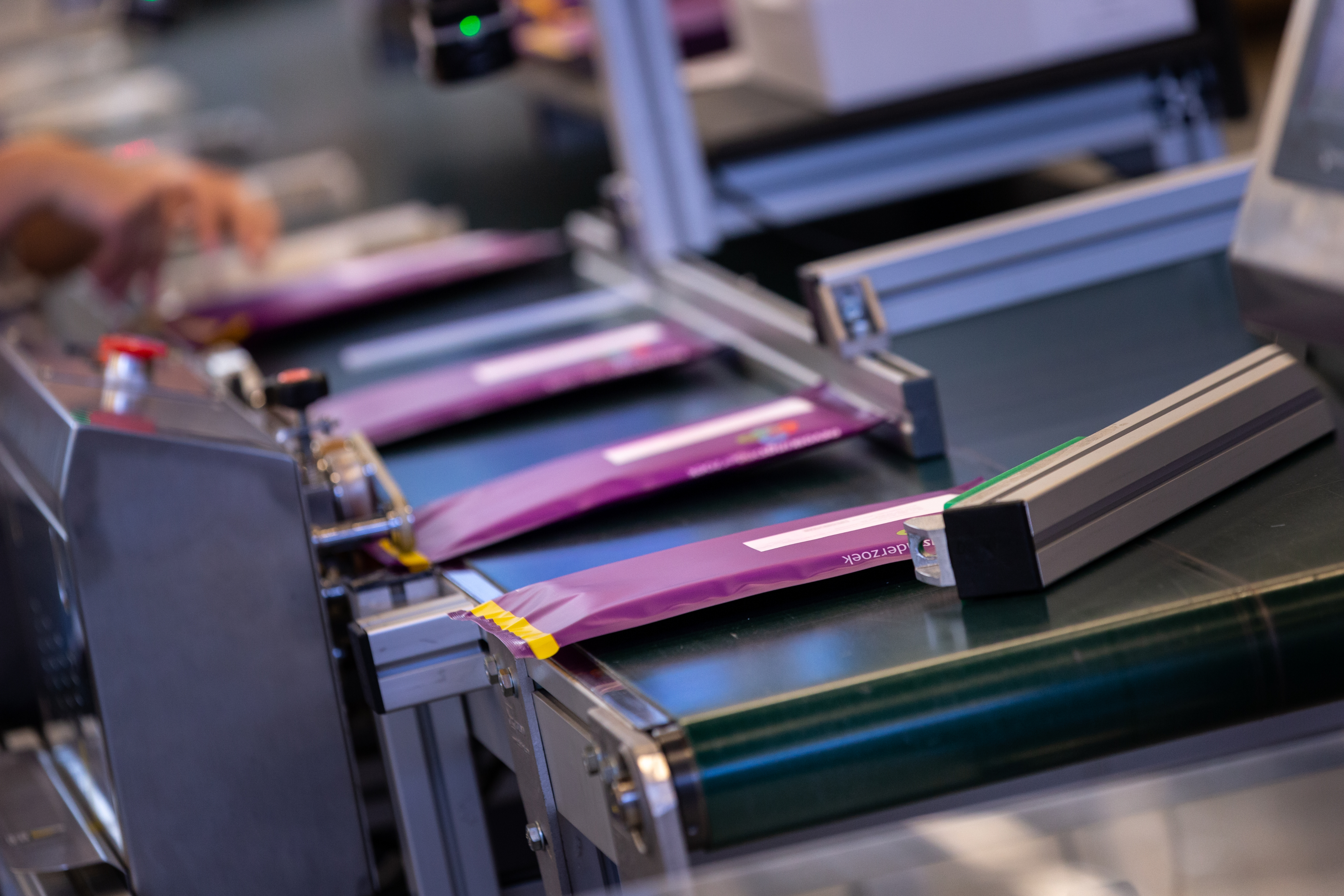
Automation technologies have transformed how medical packages are produced and filled. Automated lines can improve efficiency but must be carefully monitored to ensure compliance with industry standards.
Designing Medical Packaging: Balancing Functionality and Compliance
Balancing functionality with compliance does not have a one-size-fits-all solution; it requires careful consideration at every stage of design and production. Companies must consider how their choices affect product safety while also adapting to ever-changing regulations surrounding health care products. This balance often means collaborating with experts who understand both the technical aspects of design as well as regulatory frameworks.
FAQs About Medical Packaging Design
What materials are commonly used in medical packaging?- Common materials include plastics (polyethylene), glass containers, aluminum foils, paperboard boxes, etc., each chosen based on specific protective qualities needed for various products.
- It's best practice to work closely with regulatory experts who understand local laws (like FDA guidelines) applicable not just in your country but globally if you export.
- Kitting involves assembling various components required for a procedure or treatment into one packaged unit—this streamlines usage during applications.
- Eco-friendly options increasingly meet performance standards but may vary significantly concerning cost-effectiveness; however they often appeal more positively toward consumers today.
- Smart technologies enable better tracking throughout supply chains via RFID tags or QR codes which increase transparency about product origins.
- Custom designs allow you greater flexibility over aesthetics while enhancing usability—ensuring unique medical device specifications are met effectively improves customer satisfaction too!
Conclusion
In conclusion, designing effective medical packaging requires a delicate balance between functionality and compliance—a task made complex by evolving regulations coupled with growing consumer expectations regarding sustainability practices like using eco-friendly materials or offering compostable options! By investing time upfront into understanding these dynamics within both regulatory landscapes alongside innovative solutions available today—companies will find themselves well-positioned within competitive markets ahead!
Through collaboration among manufacturers specializing specifically within areas such as custom food/medical device/kitting service providers wholesale-custom-packaging firms—everyone stands ready together towards achieving excellence across this critical industry sector!
Ultimately remember: good design starts with solid research followed by practical application that meets diverse needs without compromising quality either way you look at it!